

Transformational Feedback is the difference between employees shutting down and employees stepping up. Feedback is supposed to improve performance, but too often it sparks defensiveness instead of ownership. Managers tell me all the time, “I’ve given feedback, but nothing changes.”
This is one of the most common obstacles leaders face today. In fast-moving workplaces where AI is flattening hierarchies and employees are expected to think and act like “mini-CEOs,” traditional top-down feedback is breaking down. Command-and-control tactics no longer work. What’s needed is a new approach — one that not only corrects behavior but builds trust, accountability, and self-awareness.
At TIGERS® Success Series, we call this shift the difference between transactional feedback and Transformational Feedback.
Transactional vs. Transformational Feedback
Transactional feedback focuses on correction. It tells people what went wrong and what they need to fix. It may stop the immediate behavior, but it rarely sparks ownership or long-term change.
Transformational Feedback, grounded in the TIGERS 6 Principles™ of Trust, Interdependence, Genuineness, Empathy, Risk Resolution, and Success, reframes feedback as a two-way conversation. Instead of being about judgment, it’s about discovery and growth. Transformational Feedback creates space for employees to reflect, problem-solve, and take ownership of improvement.
The power of Transformational Feedback is that it’s both practical and research-based, drawing from decades of psychology and education on how adults learn and change behavior. Leaders who practice it often describe it as a “game changer” because it resolves one of their deepest frustrations — giving feedback that doesn’t stick.
A Simple Example of Defensiveness to Ownership
Consider one healthcare manager I worked with who dreaded giving feedback. He had a team member who consistently turned reports in late, creating bottlenecks for the entire department. His standard approach was to say, “You’re late again. This needs to stop.”
As you might expect, the employee grew defensive. Morale slipped, deadlines didn’t improve, and the manager began to avoid the conversation altogether.
Using Transformational Feedback, we reframed his approach. Instead of telling, he asked, “What’s getting in the way of you meeting deadlines, and how can we solve this together?”
In less than five minutes, the real issue surfaced. The employee was covering for a coworker every morning and falling behind before his own workday even started. With that knowledge, they shifted responsibilities, the reports came in on time, and the entire team felt relief.
The difference was profound. No defensiveness, no lingering resentment. The employee left motivated, the bottleneck was resolved, and the manager grew into his role as a true obstacle remover. The conversation not only solved the problem. It also built trust across the team.
Why Simplicity Works
Leaders are often surprised by how simple Transformational Feedback feels. But that’s the point. When feedback shifts from being a verdict to being a collaboration, leaders stop playing “judge” and start acting as coaches. Employees respond with initiative and accountability instead of resistance.
In an era of flattening hierarchies and AI-enabled workplaces, this shift is more than a nice-to-have. It’s essential. Employees who feel trusted and empowered are far better equipped to navigate rapid change and complex challenges than those who feel policed.
Practical Steps for Leaders
Here are three ways to start applying the power of Transformational Feedback today:
-
Prepare One Open-Ended Question
Before you deliver feedback, ask yourself, “What question will invite this person to reflect and share their perspective?” This small step reframes the interaction from fixing to partnering. Open-ended questions also create safety. Employees can raise real issues without feeling like they’re blaming or “snitching” on others. This keeps trust intact while still getting to the root of the problem. -
Listen for Obstacles
Often, performance issues are symptoms of hidden barriers. By asking questions, you give employees the chance to surface challenges you can actually remove. This not only solves the problem but strengthens trust. -
Follow Through with Positive Reinforcement
Feedback doesn’t end when the problem is solved. When you see progress, give feedback again — this time to recognize the change. Debrief what worked, connect it to the team’s success, and reinforce the employee’s growth.
Why This Matters Now
Many leaders feel overwhelmed trying to manage performance in environments reshaped by technology, AI, and hybrid work. The old “command and control” models create burnout for managers and disengagement for employees. Transformational Feedback offers a better path: one rooted in trust, empathy, and accountability.
By adopting this approach, leaders not only solve immediate problems but also teach employees how to think, solve, and grow. That’s how organizations thrive in times of rapid change — by building cultures where feedback isn’t feared, but welcomed as part of growth.
Ready to Learn More?
The Mastering High-Trust Leadership and Transformational Feedback training inside the TIGERS Leadership Academy equips leaders with step-by-step tools to apply this system across teams. Combined with the TIGERS 6 Principles, it creates a framework for lasting culture change.
Start by exploring the power of Transformational Feedback today — and discover how even one conversation can turn defensiveness into ownership.
Copyright TIGERS Success Series, Inc. by Dianne Crampton

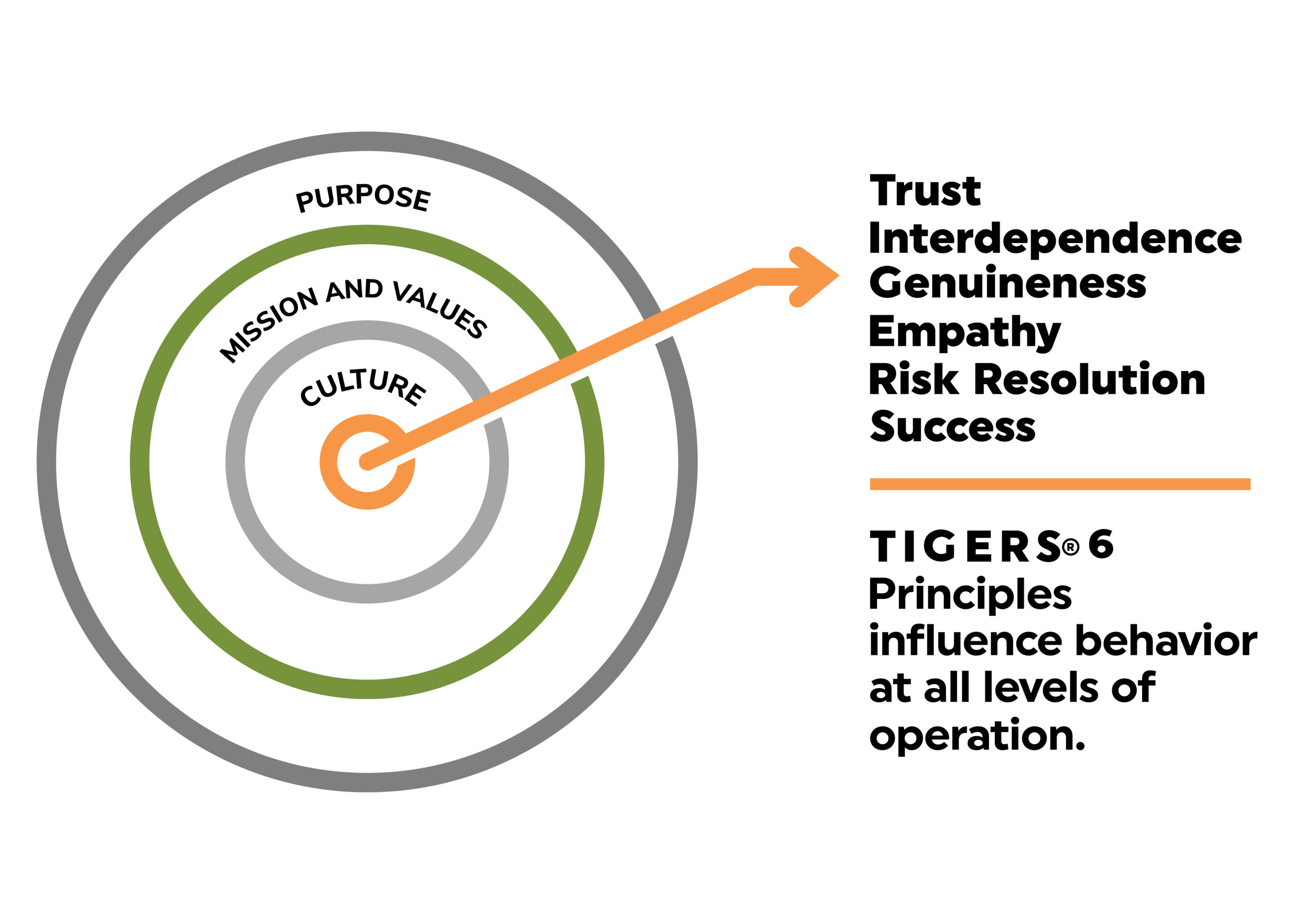
The TIGERS 6 Principles empower Executives and Consultants with a comprehensive collaborative work culture and leadership platform to resolve avoidable talent, engagement and work community problems that stunt growth.
A researched and validated collaborative work culture and facilitative leadership model, licensing is available for HR Executives, Operations and Project Managers, Consultants and Coaches to improve their operations and client success.
Schedule a call to secure a tour of the comprehensive TIGERS 6 Principles system.
