

Management feedback failure. Every manager has experienced it. You sit down with an employee, deliver what you think is clear, constructive feedback, and expect to see improvement. Instead, nothing changes. The same mistakes keep happening. The same misunderstandings persist. Before long, you start questioning whether giving feedback is even worth the effort.
For some, feedback feels like talking into the void. Your words seem to vanish the moment they leave their mouth. For others, it’s a delicate tightrope walk. You try to correct performance without sounding like you are attacking or discouraging an employee. Why is something as simple as giving feedback so often met with confusion, resistance, or even resentment?
When Management Feedback Misses the Mark
Early in my management career, I remember sitting in a meeting with one of my best employees, Ryan. He was smart, driven, and well-liked by the team, but he had one frustrating habit. He over-explained everything. Whether it was an email to a client or a project update, his messages were so long and detailed that no one had time to read them. Important points got buried, and people either skimmed or ignored them altogether.
So, I sat him down and said, “Hey, I’ve noticed your emails are really detailed. While I appreciate the effort, they might be more effective if they were more concise. I think it would help your communication if you tried keeping them shorter.”
To me, this seemed like a straightforward, helpful piece of feedback. But instead of nodding or asking questions, Ryan got defensive.
“I don’t see the problem,” he said. “I just want to make sure everyone has all the information they need. If they don’t read it, that’s on them.”
I left that conversation thinking, Did he even hear what I said? A week later, I saw another one of his massive emails clogging up inboxes. Clearly, my feedback hadn’t landed. I started second-guessing myself.
“Did I phrase it wrong? Did I make him feel criticized? Was I too vague?”
The frustration wasn’t just that he didn’t change his behavior. It was the feeling of wasted effort—of taking the time to give feedback that went nowhere. And if I’m being honest, it made me hesitate to give him feedback again because I didn’t want to deal with the pushback.
The fine line between coaching and criticism
That hesitation is something I know a lot of managers struggle with — especially when it comes to balancing feedback with encouragement. No one wants to be the kind of manager who only points out what’s wrong, constantly correcting employees like a strict teacher with a red pen. But at the same time, if employees only hear praise and never hear what they need to improve, how are they supposed to grow?
A few years later, I had a team member, Lisa, who was incredibly hardworking but easily discouraged. One day, I noticed that some of her client reports had errors. They were not major ones, but enough that they could cause confusion. So, I pulled her aside and said, “Your reports are great, but I noticed a few inconsistencies. Just make sure to double-check the data before you send them out.”
To me, this was a simple, helpful correction. To Lisa, it was a gut punch.
She looked down, nodded stiffly, and for the rest of the day, she barely spoke. Later, another coworker told me that Lisa had spent her lunch break wondering if she was bad at her job.
I was stunned. In my mind, I had given a quick, constructive note. Not a harsh criticism. But somehow, she had walked away questioning her own abilities.
That moment made me realize something that has stuck with me ever since. Managers don’t control how their feedback is received.
I had meant to be helpful, but Lisa had heard criticism, not coaching. She wasn’t the only one. I started noticing that different employees reacted very differently to feedback. Some shrugged it off and adjusted. Others took it personally, even when it was meant with the best intentions.
The worst part? It made me feel less confident in giving feedback at all. If my words had the power to discourage someone that much, wouldn’t it be easier to just say nothing?
When employees feel criticized instead of supported
This is where so many managers get stuck. How do you know if your feedback is helping or just making employees feel attacked?
If you’ve ever seen an employee tense up the moment you start giving feedback, you know exactly what I mean. They brace for impact, as if they’re about to get scolded. Some employees shut down. Others get defensive. And some just nod along while silently deciding to ignore everything you just said.
What’s even more frustrating is that sometimes, the feedback is completely necessary. If an employee is making mistakes, missing deadlines, or not meeting expectations, you can’t just let it slide. But the moment they feel like they’re being singled out, criticized, or unfairly judged, the conversation stops being about improvement—and starts being about survival.
Managers don’t want to feel like the bad guy. We don’t want to constantly correct, reprimand, or discourage employees. But we also don’t want to ignore problems just to keep the peace.
So what’s the right balance? How do you give feedback in a way that’s actually heard and acted upon—without making employees feel defeated?
The hidden cost of ineffective feedback
When feedback isn’t received well — or isn’t given at all — problems don’t go away. They get bigger. Employees continue making the same mistakes. Resentment builds, both on the part of the manager who feels unheard and the employee who feels unsupported. Over time, this creates a culture where no one knows where they stand, employees feel disengaged, and managers feel frustrated.
I’ve seen it happen firsthand. I’ve seen managers stop giving feedback altogether because they’re tired of feeling like it doesn’t make a difference. I’ve seen employees quietly disengage because they don’t know what’s expected of them. And I’ve seen great employees leave because they never got the guidance they needed to grow.
The irony is that feedback is supposed to be a tool for success. It’s meant to help employees thrive, improve, and feel more confident in their work. But too often, it feels like a source of tension, anxiety, and miscommunication.
And that’s the real challenge. Giving feedback and making sure it actually works.
What’s next for management feedback?
If you’ve ever felt frustrated by feedback or had an employee , you’re not alone. Every manager has been there.
The real question is, what can be done about it?
Care to dig deeper into management feedback?
- On April 17, 2025 at 11:00 AM – Noon Pacific Time (2:00 -3:00 PM Eastern Time) join us for our pay-it-forward complimentary webinar from the TIGERS 6 Principles Leadership Academy. Our webinar topic is “How to Master Transformational Feedback,” where we break down why feedback fails—and how to make it work for managers, team leaders, co-workers and business owners. Click here to learn more.
- Join our newsletter to learn before anyone else when our pay-it-forward complimentary webinars are offered.
- How Abandoning Trust Destroys Workplaces and Societies
- The Exchange of Feedback for Harmonizing Excellence in Collaborative Endeavors
Copyright TIGERS Success Series, Inc. by Dianne Crampton

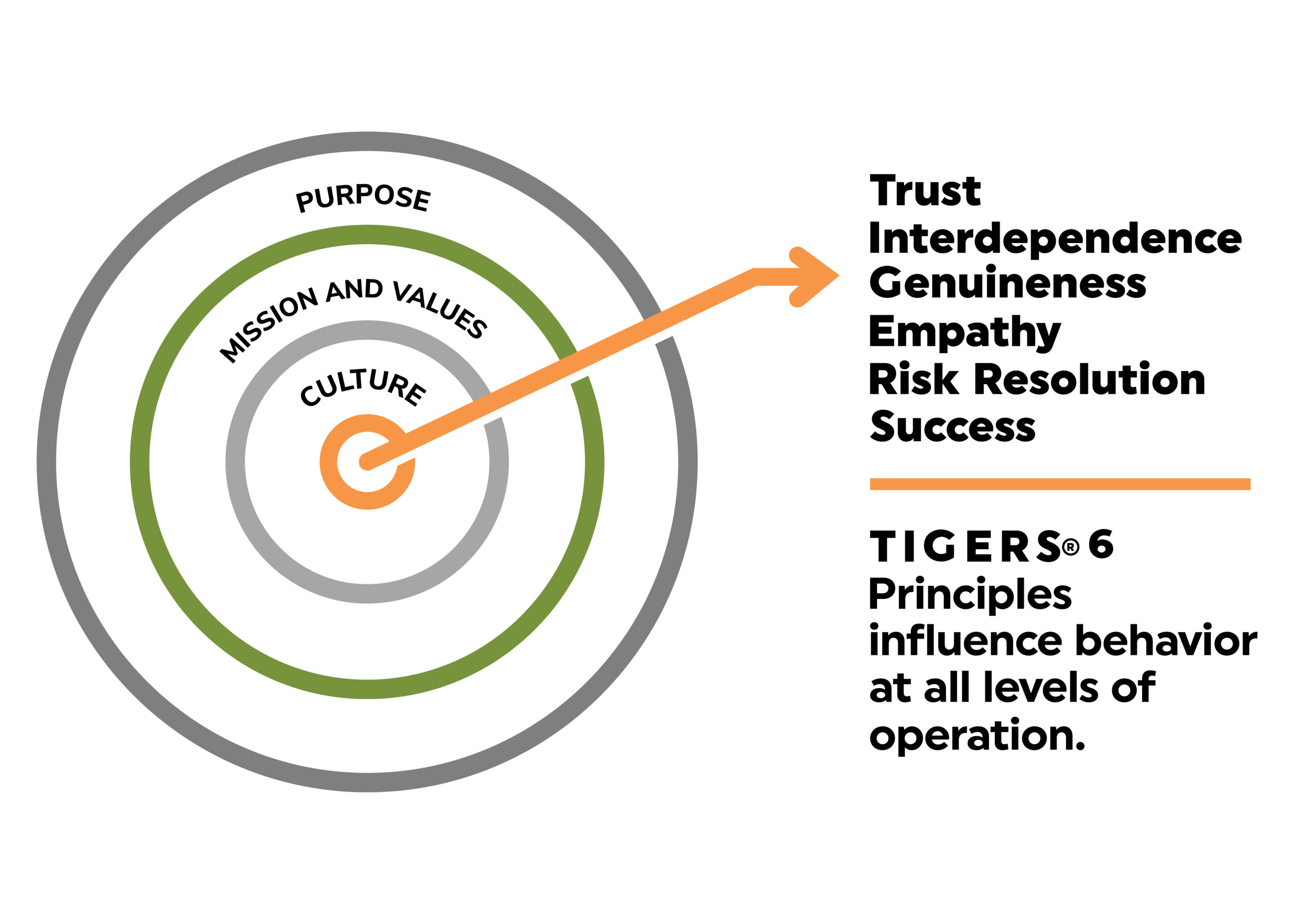
The TIGERS 6 Principles empower Executives and Consultants with a comprehensive collaborative work culture and leadership system to resolve avoidable talent, engagement and work community problems that stunt growth.
A researched and validated collaborative work culture and facilitative leadership model, licensing is available for HR Executives, Operations and Project Managers, Consultants and Coaches to improve their operations and client success.
Schedule a call to secure a tour of the comprehensive TIGERS 6 Principles system.
