
 Introduction
The Drama Triangle in the workplace is a familiar — and often invisible — trap that derails collaboration, damages trust, and wastes valuable time. Whether you’ve seen colleagues slip into the roles of Aggressor, Victim, or Rescuer, or noticed yourself reacting in similar ways under stress, these dynamics can quietly undermine even the most talented teams.
The good news? Once you can recognize the drama triangle, you can also transform it into something far more productive: a framework for building trust, shared responsibility, and consistent accountability.
Understanding the Drama Triangle in the Workplace
First introduced by Stephen Karpman, the drama triangle describes three reactive roles people often take during conflict:
-
Aggressor (formerly “Persecutor”): Dominates conversations, dismisses ideas, or controls decisions without collaboration.
-
Victim: Withdraws, feels powerless, and avoids taking ownership of solutions.
-
Rescuer: Steps in to “save” others, solving problems for them instead of helping them grow.
These roles can shift rapidly — a Rescuer might feel unappreciated and become a Victim, or a Victim might lash out and become an Aggressor.
Left unchecked, these patterns create cycles that keep teams stuck.
From Drama to the Healthy Triangle
The antidote to the Drama Triangle in the workplace is replacing each reactive role with a constructive one:
-
Aggressor → Challenger: Raises concerns respectfully, pushes for excellence, and invites alternative ideas.
-
Victim → Creator: Focuses on what’s possible, takes ownership, and voices needs clearly.
-
Rescuer → Coach: Guides others to solve their own challenges and build their capacity.
This “Healthy Triangle” shifts teams from blame and rescue into shared accountability and problem-solving.
Building Group Norms to Prevent Drama
Even the most self-aware leaders can slip into drama roles under pressure. That’s why building group norms is essential. These are the agreements that act like a team’s social contract:
-
One voice at a time — no interruptions or dominating the floor.
-
Curiosity before judgment — ask before assuming.
-
Own your 50% — everyone takes responsibility for their part.
-
Problem → Solution — issues are always paired with possible fixes.
When these norms are co-created, not imposed, teams naturally hold themselves and each other accountable.
This approach is a core part of our Tier One Licensing Toolkit, which equips consultants and internal facilitators to deliver Mastering High-Trust Leadership and The Power of Transformational Feedback. These programs help teams create measurable trust and accountability systems that sustain a healthy culture. Learn more at https://tigers6principles.com.
A Five-Minute Leadership Conversation Starter
Here’s a simple exercise to start shifting from drama to healthy dynamics:
-
Frame the Purpose — “Let’s explore how we can work in the healthy versions of the drama triangle roles.”
-
Invite Reflection — “Which role do you tend to slip into most?”
-
Name the Healthy Counterparts — Challenger, Creator, Coach.
-
Pick One Norm — Choose one behavior to practice for a week.
-
Commit to Follow-Up — Check in at the next meeting.
Why This Shift Matters
Replacing the Drama Triangle in the workplace with the Healthy Triangle and clear group norms leads to:
-
Faster decision-making without fear of blame.
-
Higher trust and psychological safety.
-
More resilience during change and uncertainty.
Drama may be human, but it doesn’t have to run your organization. With the right tools, leaders can turn reactive cycles into intentional, trust-building conversations that strengthen teams from the inside out.
Copyright TIGERS Success Series, Inc. by Dianne Crampton

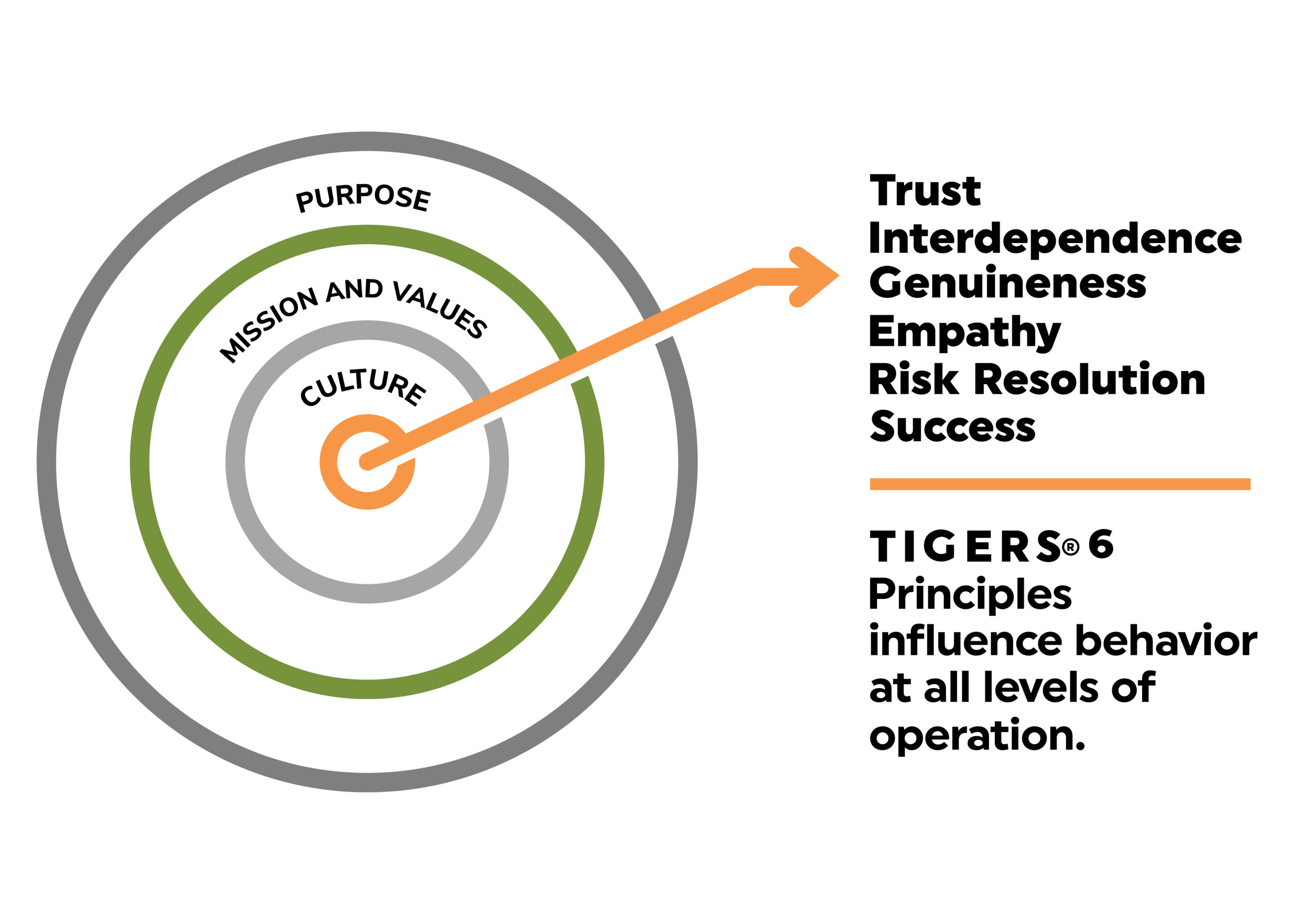
The TIGERS 6 Principles empower Executives and Consultants with a comprehensive collaborative work culture and leadership platform to resolve avoidable talent, engagement and work community problems that stunt growth.
A researched and validated collaborative work culture and facilitative leadership model, licensing is available for HR Executives, Operations and Project Managers, Consultants and Coaches to improve their operations and client success.
Schedule a call to secure a tour of the comprehensive TIGERS 6 Principles system.
