

Google layoffs cut 35% of managers, most of whom were leading teams of three or fewer. CEO Sundar Pichai framed the decision as a bold move toward efficiency and AI-first operations, reshaping Google’s hierarchy to accelerate decision-making and reduce overhead.
But while cost savings and agility may appeal to investors, the cuts raise bigger questions: What do these layoffs mean for middle-class job stability, employee morale, and the cultural fabric of organizations in the AI era?
The Pros of Google’s Management Cuts
Supporters of Google’s move argue that trimming layers of management creates a leaner, more agile organization. By restructuring, the company hopes to remove roadblocks, preserve expertise, and give teams greater freedom to innovate. Here are three reasons these cuts make sense:
1. Efficiency and Speed
Fewer management layers mean fewer bottlenecks. Decision-making can move faster, which is crucial in the fast-paced world of AI and innovation.
2. Retained Expertise
Instead of eliminating managers entirely, Google shifted many into individual contributor roles. This preserves knowledge and expertise while reducing administrative overhead.
3. Innovation Through Autonomy
With fewer layers of oversight, teams may enjoy more freedom to experiment, collaborate, and innovate without being slowed down by approvals.
The Cons of Google layoffs
While streamlining may create short-term gains, it also carries hidden costs. Critics warn that reducing management layers risks undermining career stability, weakening employee morale, and eroding the cultural consistency that keeps teams engaged. Here are three reasons these layoffs could present problems:
1. Fragility of Middle-Class Jobs
The traditional career ladder, which consisted of being a contributor to manager to senior leader is eroding. As AI takes over supervisory and reporting tasks, the role of middle manager becomes one of the most fragile jobs of the future, threatening stability for a large portion of the workforce. This means that the career ladder must be redefined in ways that make sense to employees.
2. Risks to Employee Morale
Managers aren’t just administrators. They are often mentors, advocates, and coaches. Cutting these roles risks leaving employees without clear growth pathways or guidance. Remaining managers may face burnout from heavier workloads, further straining morale.
3. Cultural Split
When some teams experience supportive leadership and others don’t, morale and engagement fracture. This cultural split leads to inconsistent employee experiences and higher turnover.
Employee Morale in the AI Era
The psychological contract between employers and employees is shifting. Workers see that AI is not just changing tasks—it’s reshaping careers. If middle-class jobs disappear, employees begin to ask: Where do I grow? Who advocates for me?
Without clear answers, engagement falls. Even the best technology cannot replace the human need for trust, mentorship, and purpose.
The TIGERS 6 Principles are A Path Forward
The TIGERS 6 Principles™ offer leaders a framework for making tough restructuring decisions responsibly:
-
Trust: Communicate the “why” clearly and consistently. Trust grows when employees see transparency in decision-making.
-
Interdependence: Collaboration systems must replace lost layers, ensuring silos don’t harden as managers disappear.
-
Genuineness: Simply renaming managers as contributors without explaining career paths risks feeling like spin. Be authentic.
-
Empathy: Recognize the human impact of job fragility. Leaders who acknowledge the strain preserve morale even amid cuts.
-
Risk Resolution: Fewer managers can mean more conflict. Having systems to resolve disagreements constructively is critical.
-
Success: Redefine success beyond cost savings. Celebrate resilience, adaptability, and team wins to keep engagement high.
Final Word
The Google layoffs highlight a growing truth. Middle-class jobs are becoming more fragile in the AI economy. But efficiency without morale is a short-term win with long-term risks. Companies that thrive will not be those that only cut. They will be those that balance efficiency with trust, empathy, and cultural consistency.
AI may flatten hierarchies, but only leaders can build the trust and morale that turn disruption into resilience.
Copyright TIGERS Success Series, Inc. by Dianne Crampton

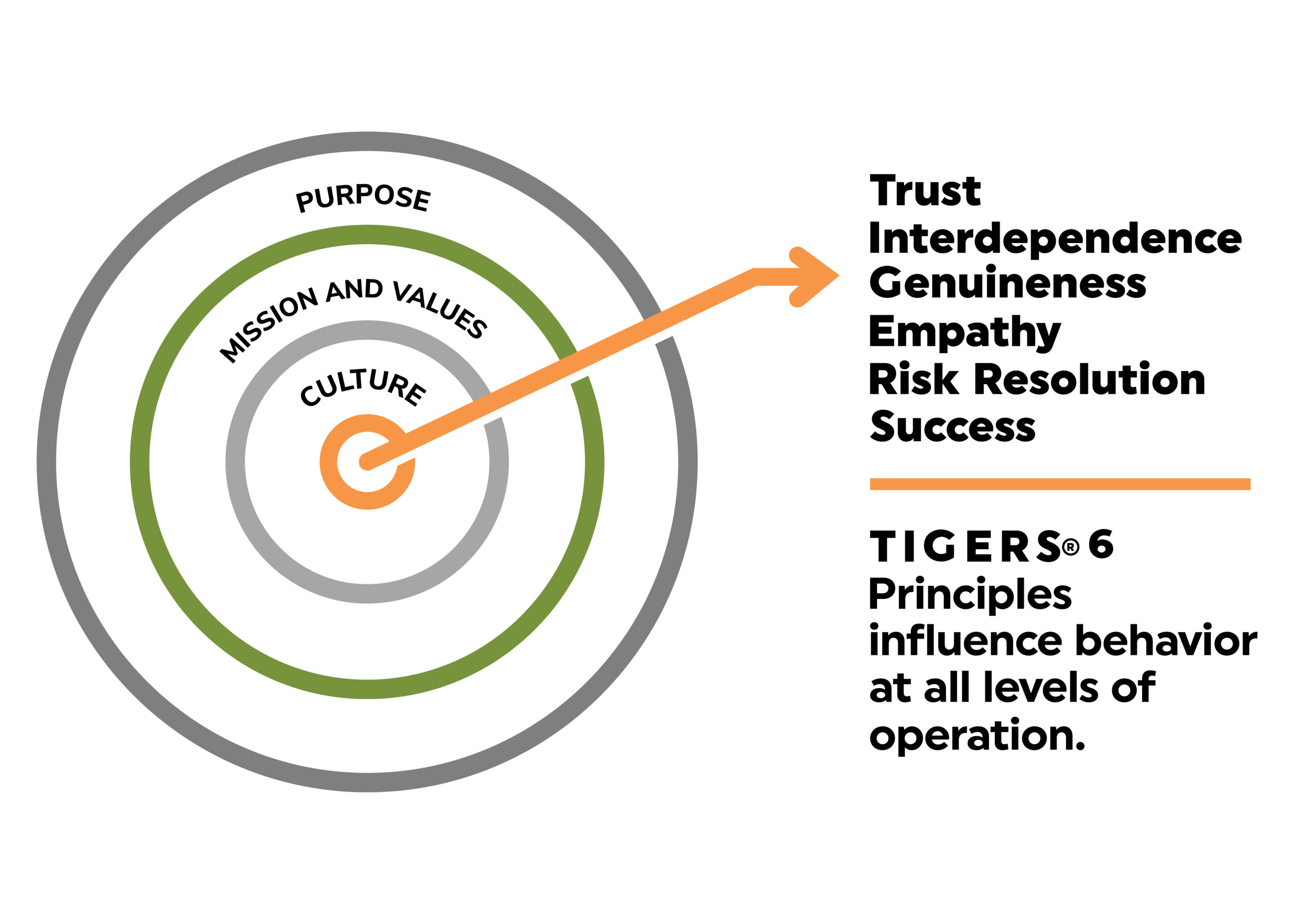
The TIGERS 6 Principles empower Executives and Consultants with a comprehensive collaborative work culture and leadership system to resolve avoidable talent, engagement and work community problems that stunt growth.
A researched and validated collaborative work culture and facilitative leadership model, licensing is available for HR Executives, Operations and Project Managers, Consultants and Coaches to improve their operations and client success.
