
 Hitting the snooze button too many times because you dread getting up and going into work? Is it just another day filled with undue stress and turmoil? The kind of day that makes you want to tell the boss, “take this job and…. “ well, you know.
For many, this is an everyday occurrence. These individuals mentally prepare themselves each day to walk into a workplace filled with employees and leaders who seem to have zero social skills. They deal with coworkers who are hot tempered, aggressive, and just plain rude. These coworkers are corporate bullies. And unfortunately, this new culture dynamic of incivility has engulfed way too many workplaces.
Many organizations do not have policies in place to address the issues of incivility and many incidences go unreported because employees fear retaliation or loss of their job.
According to Tony Lacertosa, founder of Peerless Leadership Development Consulting and author of Build Civility and Respect into Your Organization, these warning signs may be an indication of incivility in the workplace:
- Unresponsive employees – employees have stopped caring.
- Arguments – they are erupting everywhere due to poor communication skills and individual power plays
- Low employee morale – productivity and creativity plummets in a disruptive atmosphere
- Absenteeism – employees call in sick more often for “mental health” days and stress related illnesses
- Increased customer service complaints – bottom line: disgruntled employees don’t put much effort into making a customer happy.
These are symptoms of incivility and hostility in the workplace, but just what types of acts are deemed uncivil or bullying? The list is wide and varied, but they range from mental anguish to actual physical hostility to “mobbing” – a term we’ll look at in a few moments that was coined by Maureen Duffy and co-author Len Sperry in their book, “Mobbing.” Incivility ranges from minor social infractions to all out abuse and harm. They include:
- not practicing common courtesy with please, thank you, or excuse me
- devaluing others by showing up late for meetings or leaving early
- taking credit for some one’s work
- spreading rumors to sabotage another person
- belittling others publicly instead of offering constructive advice privately
- leaving snippy and snotty voice-mails
- shutting someone out of the team by omitting them from communication loops
- throwing temper tantrums and yelling at subordinates and coworkers
- acts of physical violence evidenced as of late with shootings in the workplace
Mental anguish caused by incivility is bad enough, but let’s take a closer look at the other two – mobbing and physical harm.
Mobbing:
Duffy goes on to say, “While managers are familiar with the idea of bullying, the concept of “mobbing,” is less understood. “Workplace mobbing” is nonsexual harassment of a coworker by a group. The purpose is to remove the individual from a particular unit or from the larger organization, which may occur through termination, medical leave, or quitting.”
Targeted individuals suffer at the hands of an entire group because of ethnicity, gender, education level, or thought processes that differ from the group. When mobbing happens to a particular individual, they soon find other employees outside the group are ostracizing them as well. Employees avoid the targeted individual because they don’t want to be the next victim. This situation is quite common in layoffs and mergers.
Physical incivility: This is incivility at its most extreme. According to the U.S. Occupational Safety and Health Administration (OSHA), homicide is the leading cause of death for women in the workplace. OSHA states that many cases of workplace violence go unreported, but that “nearly 2 million American workers report having been victims of workplace violence each year.”
So just what are the consequences for corporations that allow incivility and bullying to continue?
- Retaliatory action by the bullied coworker against the company or person
- Loss of productivity – individuals will only perform at the bare minimum
- Lack of teamwork – every man is out for himself and creativity wanes
- Stress related illnesses – we’re talking serious stuff like high blood pressure, ulcers, etc.
- High employee turnover – bright and talented employees leave for greener pastures where they are appreciated
- Poor customer reviews and loss of customers – this is the day of social media and word spreads fast!
- Lawsuits – these organizations could find their coffers severely hit by the bullied employee who has finally had enough.
Next week, we take a look at how organizations can curb the rise of incivility and bullying in the workplace. Tony also gives an insightful presentation, May 14 on the problems and solutions of incivility in the workplace that you will to tune into. As Lacertosa so aptly stated, “civility is not about being nice or soft, it’s about working with mutual respect.”
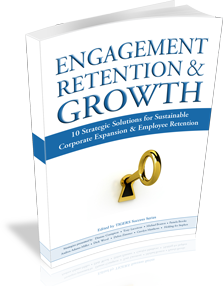
If you would like more insight on incivility and other pressing topics confronting today’s workplace order a copy of Engagement, Retention & Growth. I, along with 9 other thought leaders, explore 10 strategic solutions for sustainable corporate expansion and employee retention. You’ll get actionable advice from highly successful team development consultants, noted authors, HR strategists, marketers, retail and investment executives, and educators. We touch on topics such as hostility in the workplace, effective sales techniques, engaging employees, team development strategies, innovative hiring methods, conducting productive meetings, and more.
 Copyright TIGERS Success Series by Dianne Crampton
About TIGERS Success Series
TIGERS Success Series is a team development consultancy based on 6 core principles that anchor high performance team dynamics. These principles are trust, interdependence, genuineness, empathy, risk and success.
TIGERS offers licensing and certification to team building trainers and consultants interested in expanding their practice to serve organizational leaders from the break room to the boardroom. .Learn more.
Being an independent contractor brings so many freedoms – but comes with a lot of extra baggage that leaves many feeling stuck and isolated as they grow their businesses.
- One-off engagements leave you scrambling to get new clients
- It’s difficult to prove to clients that your work has brought them concrete savings – or profits
- Royalty-based training systems and fixed pricing structures severely limit your earning power
- Multiple trainers and consultants offering just one different team-building system leave clients with a “flavor of the month” feeling that damages credibility
- Team builders thrive in community… but are left to fend for themselves by other team builders with a dog-eat-dog mentality.
There is a better way though – one that can get you off the roller coaster of rising and plummeting revenues and get you in touch with collaborative, growth-oriented colleagues. It starts by viewing our complimentary Webinar on How To Avoid The 3 Big Mistakes that Keep Your Practice Half Full.