
 Empathy is not a weakness. However, it is one of the most misunderstood—and undervalued—leadership strengths in today’s workplace.
Too often, it’s mistaken for “being nice” or “softening the blow.” But real empathy has edge. It’s the skill of seeing what others experience and using that insight to lead more effectively, communicate more clearly, and inspire more trust.
In a distracted world where employees are overstimulated, misunderstood, and often burned out, empathy is your differentiator. It’s what turns check-ins into connection. Feedback into growth. Pressure into progress.
Empathy is not a weakness but runs contrary to some high-profile voices
Some high-profile voices claim that empathy weakens leadership and erodes national strength. Let’s be clear. That argument doesn’t come from strength. It stems from fear, defensiveness, and often, from empathy deficits themselves. That worldview confuses control with leadership, and dominance with effectiveness.
Empathy isn’t about absorbing someone else’s pain or rescuing them from discomfort. That’s sympathy. Empathy, especially as a leadership competency, means understanding others’ perspectives and emotions well enough to respond constructively. This means not emotionally entangling yourself in their experience.
True empathy doesn’t make leaders weak—it makes them wise. It gives you the real-time insight to make better decisions, reduce unnecessary friction, and keep people engaged even when the stakes are high. It’s not about fixing people. It’s about understanding how your decisions, tone, and presence affect those around you. Then using that insight to create conditions where others can thrive.
That’s where a common misunderstanding becomes dangerous. Confusing empathy with emotional entanglement. There’s a version of empathy defined as “feeling what another person feels.” That may sound noble, but it’s risky if leaders don’t learn to recognize emotions without carrying them.
Emotional load
Which brings us to the concept of emotional load. Emotional load is the internal weight people carry as they manage stress, anxiety, and mental clutter. For many employees, that load is compounded by financial strain, job insecurity, or caregiving responsibilities. Add constant workplace pressure, and it’s no wonder burnout rates are climbing.
Emotional load refers to the cumulative impact of stressors—both personal and professional—that demand constant psychological processing. It includes the anxiety of job uncertainty, the mental strain of unresolved conflicts, and the cognitive overload that comes from excessive task-switching or unclear expectations. Over time, this load creates chronic stress responses, erodes focus, and reduces emotional regulation.
When managers don’t understand this concept, they may unintentionally invite emotional dumping. For example, a well-meaning leader opens the door with, “How are you really doing?” and suddenly they’re carrying the employee’s fears about rent, illness, or life. If the manager doesn’t know how to manage this, burnout follows—not from too much empathy, but from a lack of boundaries.
The better approach? Practice empathetic listening with accountability. That means listening to what an employee is really saying, validating the logic behind their experience (“That makes sense, given what you’re handling”), and then shifting the agency back to them: “What’s your plan for addressing it?” This shows care without rescuing or absorbing.
Empathy is not a weakness, it is deeply practical
Done right, empathy isn’t indulgent. It’s deeply practical. It helps you see the ripple effects of your decisions. It’s what allows you to plan meetings, policy changes, or project deadlines by first asking, What impact will this have on the people doing the work? It’s what helps you recognize when an employee is performing poorly not because they lack skill, but because they’re overwhelmed. And, it guides your response in a way that rebuilds engagement instead of killing it with shame.
And it’s a game-changer in culture-building. Teams led by empathetic managers experience less turnover, report higher job satisfaction, and are more likely to innovate. This is because they feel safe enough to speak up, fail forward, and trust the intentions behind feedback.
But here’s the hard part. Most people think they’re already being empathetic. Meanwhile, their teams report feeling unheard, overlooked, or invisible.
If you’ve ever wondered, “Why isn’t my support landing?” or “Why do they seem disengaged even when I’m doing my best?”—you’re not alone. And you’re asking the right questions.
Empathy isn’t about avoiding conflict or coddling emotions. It’s about seeing people clearly, honoring their humanity, and responding in a way that strengthens—not weakens—your team.
When you lead with empathy, you don’t just manage people. You empower them.
Copyright TIGERS Success Series, Inc. by Dianne Crampton
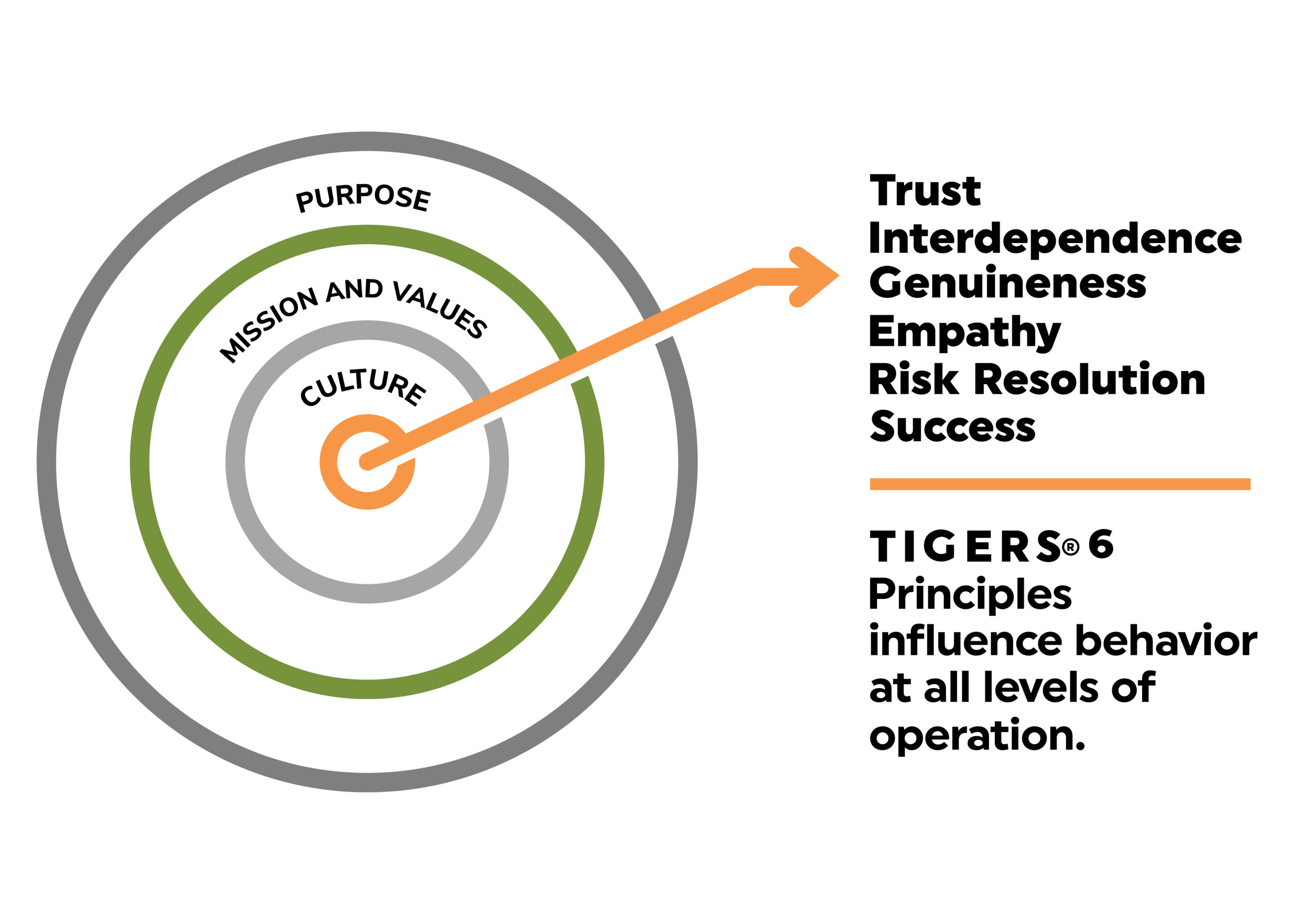 About the TIGERS 6 Principles
The TIGERS 6 Principle provides a comprehensive, multi-pronged and robust system for improving both your work environment and profitability.
We specialize in building workforce cooperation and high performance team outcomes. Scaled to grow as your organization and leadership performance grows, our proprietary Team Behavior Profile and Management training workshops are based on the six principles we have found to be the right mix to make this happen.
The TIGERS 6 Principles are Trust, Interdependence, Genuineness, Empathy, Risk and Success. Born from our many years of business, psychology, and educational group dynamic research, and subsequent four years of independent evaluation, we instill and sustain behaviors that improve work group performance and talent retention for measurable ROI.